Digital marketing doesn’t have to drain your wallet. In 2025, some of the most powerful marketing tools are still absolutely free—and they work wonders. Whether you’re a solo entrepreneur, an intern, or running a full-blown agency, you can compete with the best by using the right tools smartly. Here’s a human-first breakdown of the top 10 free tools every digital marketer should be using in 2025—based on real usage, practical value, and marketing impact.
1. Google Analytics 4 (GA4)
If you’re serious about understanding your audience, Google Analytics 4 feels less like a tool and more like a behind-the-scenes partner that shows you exactly what’s working—and what’s not. It helps you understand not just how many visitors come to your site, but what they do, how they engage, and why they convert—or don’t.
Key Features:
Track user journeys across web and apps.
Measure event-based interactions.
Get detailed audience behavior reports.
Create custom dashboards and conversion paths
Pro Tip: Use GA4’s event tracking to monitor micro-conversions like video views, scroll depth, or form interactions.
2. Canva (Free Version)
Design Without Designers
In a visually driven world, Canva empowers even non-designers to create professional-looking graphics for social media, ads, blogs, and more.
Pro Tip: Use Canva’s “Brand Kit” feature to maintain visual consistency across posts.
Key Features:
Thousands of customizable templates
Drag-and-drop editor
Access to free photos, icons, and fonts
Real-time team collaboration
3. ChatGPT (Free Tier by OpenAI)
Write Smarter, Not Harder
ChatGPT isn’t just a writing tool—it’s a creativity partner. From brainstorming blog titles to writing ad copy, this AI assistant helps save time and mental energy.
Pro Tip: Feed ChatGPT your audience persona or tone style for more personalized results.
Key points:
Plan outlines and article generation
Email and ad copy
SEO meta descriptions
Slogan, CTA, and campaign ideas
4. Google Keyword Planner
Search Smarter, Rank Higher
Built for Google Ads but useful for all marketers, Keyword Planner helps uncover real keywords your audience is searching for—along with volumes and competition.
Key Uses:
Discover long-tail keywords
Check CPC for ad campaigns
Analyze keyword trends
Plan blog or YouTube content based on real data
Pro Tip: Filter by location and language to localize your keyword strategy.
5. Mailchimp (Free Plan)
Email Marketing Made Simple
Mailchimp offers the perfect start for businesses new to email marketing. The free plan gives access to solid automation and reporting tools.
Features:
Email campaign builder
List management
A/B testing (basic)
Pre-designed templates
Pro Tip: Automate your welcome emails or cart-abandonment sequences to stay in touch with leads instantly.
6. Buffer (Free Plan)
Schedule With Strategy
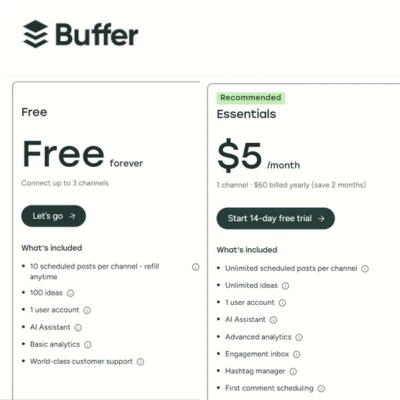
Buffer is ideal for solo marketers or small teams who want to manage social media content consistently without manually posting every day.
Key Features:
Plan and schedule posts across multiple platforms
Preview posts before publishing
Basic analytics to track performance
Simple interface ideal for beginners
Pro Tip: Use Buffer to map out an entire month’s social media content in one sitting.
7. Ubersuggest (Free Tier)
SEO & Content Simplified
Let’s face it—SEO can feel like a guessing game. You know your content is solid, your product is amazing, and your website looks sharp. But still, you’re not ranking. That’s where Ubersuggest steps in like a friendly neighborhood SEO coach.
Key Features:
Keyword volume and competition analysis
Backlink tracking
SEO site audits
Competitor analysis
Pro Tip: Use the “Content Ideas” section to generate high-performing blog topics based on existing successful posts.
8. Hotjar (Basic Free Plan)
Understand User Hotjar’s Basic Free Plan gives you a front-row seat to your users’ real experience. We’re talking about heatmaps that show exactly where people click, move, or scroll, and session recordings that reveal what’s working—and what’s just getting ignored. The best part? You don’t need to be a tech wizard or have a big budget.
Key Features:
Heatmaps for clicks and scrolls
Session replays
On-site surveys and feedback
Funnel analysis
Pro Tip: Use heatmaps to optimize your landing pages and improve user experience (UX).
9. Google Search Console
Your Site’s SEO Doctor GSC is essential for anyone running a website. It helps you monitor your site’s presence in Google Search and fix issues affecting visibility.
Key Features:
Track keyword rankings and click-throughs
Submit sitemaps for indexing
Identify crawl errors
See which websites link to you
Pro Tip: Regularly check “Pages with no clicks” and revise your meta titles or descriptions.
10. Notion (Free Version)
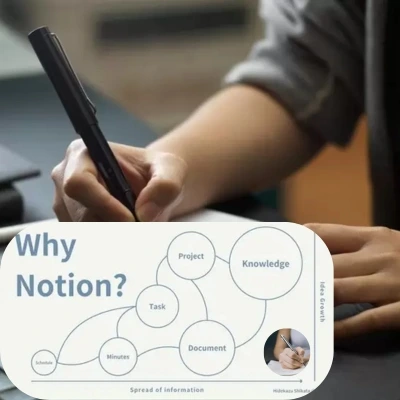
Organize Everything Notion isn’t just a place to jot down notes—it’s like your personal marketing HQ, where ideas, plans, and tasks all come together in one clean, organized space.
Key Features:
Content calendar and planning
Campaign trackers and roadmaps
Team collaboration
Task and checklist templates
Think of Notion as your marketing home base—where you can map out ideas, plan campaigns, track progress, and keep everything (and everyone) on the same page.
Conclusion:
Digital marketing success in 2025 doesn’t demand deep pockets—it demands the right mix of tools, creativity, and consistency.
Whether you’re just starting your marketing journey or looking to sharpen your toolkit, these platforms offer incredible value without costing you a dime.
These free tools can help you:
Run smarter campaigns
Write better content
Understand your audience
Rank higher on search engines
Convert traffic into customers
Need Help Getting Started?
At Digital Drop, we specialize in cost-effective digital strategies tailored for startups, entrepreneurs, and small businesses. If you’re feeling stuck or overwhelmed by the tools above, we offer a free 30-minute consultation to help you build your digital roadmap.