
INTRODUCTION
That’s why businesses today must focus on ethical data collection. Instead of crossing boundaries, brands should gather customer data transparently—asking for permission, being clear about usage, and offering real value in return. This approach not only protects privacy but also strengthens trust and loyalty.
In our data-driven world, information is invaluable. It helps us personalize experiences, solve real problems, and serve our customers better. But the line between helpful and invasive is razor-thin. The old ways of covertly tracking and exploiting user data are not just frowned upon; they’re often illegal.
The future of marketing is not about hoarding more data; it’s about developing better, ethical and transparent ways to capture that data. It’s about a move from “what can we take?” to “what our customers will be okay with us sharing?” Here’s how you can remain in the driver’s seat, master the art of ethical customer data collection and set a foundation that’ll keep lasting trust.
1. Embrace Transparency as Your Default Setting

The cornerstone of how to collect customer data legally and ethically is radical transparency. People are wary of black boxes. They want to know what you’re collecting, why you’re collecting it, and how it will benefit them.
This means moving beyond the legalese of your privacy policy (though that must be compliant!). Use clear, plain language directly at the point of collection. Instead of a pre-checked box that assumes consent, try a message like:
“We’d love to send you our weekly newsletter with exclusive gardening tips. It’s based on your growing zone, which you shared with us! You can unsubscribe anytime.”
This is a prime example of transparent data collection methods. You’ve stated the value proposition, explained what data you’re using (their growing zone), and given them a clear, easy choice. This is a fundamental customer consent best practice.
2. Champion Zero-Party Data: The Gold Standard of Consent

The most powerful and trustworthy data you can get comes directly from the customer, intentionally offered to you. This is called zero-party data. Unlike first-party data (which you infer from behavior, like site visits), zero-party data marketing examples are explicit and voluntary.
Think of it as a value exchange. You offer something of value, and in return, the customer willingly shares information. Great ways to collect this include:
Quizzes: “Find your perfect skincare routine!” (collects skin type, concerns).
Preferences Centers: A hub where users can tell you exactly what they want to hear from you and how often.
Welcome Surveys: “Help us get to know you better. What are you most interested in?”
Interactive Calculators: “Calculate your projected savings!” (requires email to see results).
These privacy-friendly marketing tactics put the user firmly in the driver’s seat, making them feel empowered, not tracked.
3. Master the Art of the Value Exchange

No one will give you their email for “updates and promotions.” That’s a weak offer. Your request for data must be proportionate to the value you provide in return.
Ask yourself: Why should they?
For an email? Offer a genuine discount, a must-read whitepaper, or exclusive access to content.
For a survey? Offer to share the results or enter them into a giveaway.
For their preferences? Promise a hyper-relevant, clutter-free experience.
This value exchange is the engine of trust-based marketing strategies. When customers see a clear benefit for themselves, they are far more likely to engage willingly.
4. Practice Radical Data Hygiene
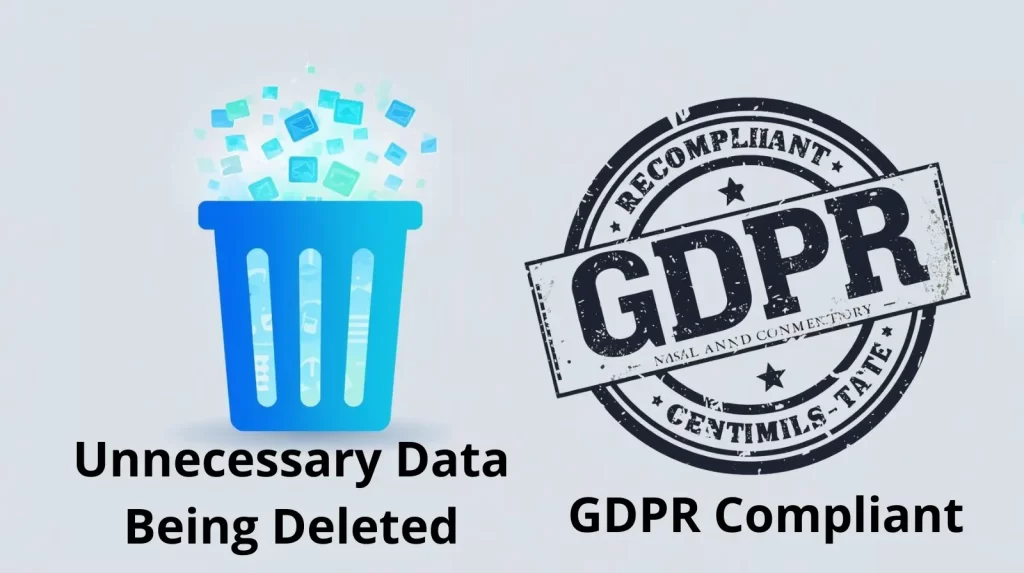
Ethical marketing data practices don’t end after the opt-in. How to use customer data ethically is just as important. This involves:
Only collecting what you need. If you don’t need a birthdate for your service, don’t ask for it.
Securing it fiercely. Invest in privacy-focused marketing tools and platforms that prioritize security. A data breach is the ultimate betrayal of trust.
Letting people leave. Make unsubscribing or deleting an account as easy as signing up. Forcing someone to stay is the opposite of building consumer trust in digital marketing.
Adhering to GDPR compliant marketing strategies and other regional regulations provides an excellent framework for these data privacy best practices for marketers. Regulations like GDPR are essentially a checklist for treating customer data with respect.
5. Personalize with Permission, Not Presumption

The goal is personalization, not presumption. There’s a world of difference between:
Creepy: “We see you looked at this toaster 3 times. Here it is on every website you visit for the next month.”
Helpful: “Based on your love for baking, we thought you might like our new bread-making kit.”
The first feels like being stalked. The second feels like a thoughtful recommendation from a shopkeeper who knows you. This balancing personalization and privacy is achieved by using data you’ve collected transparently to create genuine value.
Trust is Your Most Valuable Currency
In the end, why transparency matters in data collection is simple: trust is the currency of the digital age. Brands that are open, honest, and respectful in their first-party data collection tips will win loyal advocates. Those that rely on creepy, covert tactics will find themselves with dwindling audiences and damaged reputations.
By choosing safe ways to collect customer information and implementing ethical marketing data practices, you’re not just avoiding legal trouble. You’re building a community of customers who trust you enough to tell you what they truly want. And that is the ultimate competitive advantage.
If you’d like to explore more about responsible practices in digital marketing, check out this detailed guide on ethical data use in marketing.
If you’re looking to build a professional website that’s flexible, secure, and easy to manage, I highly recommend using WordPress. It’s the perfect platform for businesses of all sizes to establish a strong online presence. Learn more on our WordPress page
